Packshot to campaign.
One product shot becomes every context you need. New surfaces, new seasons, new placements, without a reshoot each time the packaging changes.
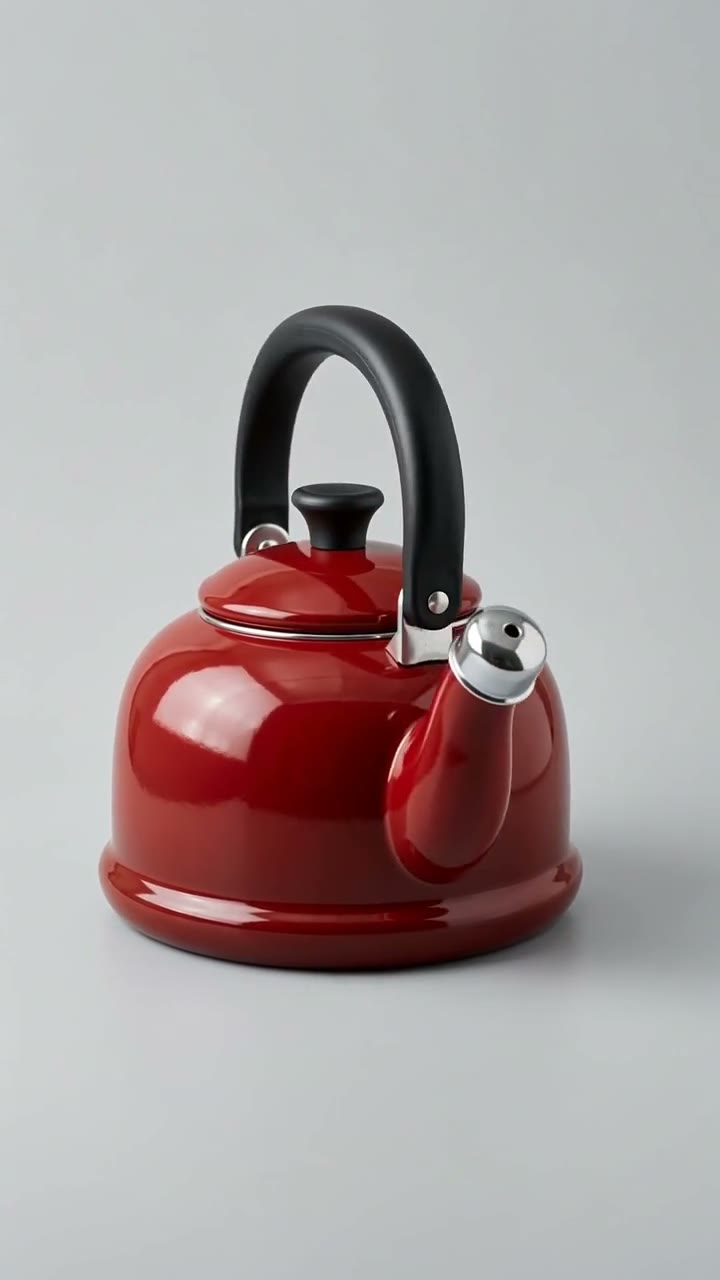

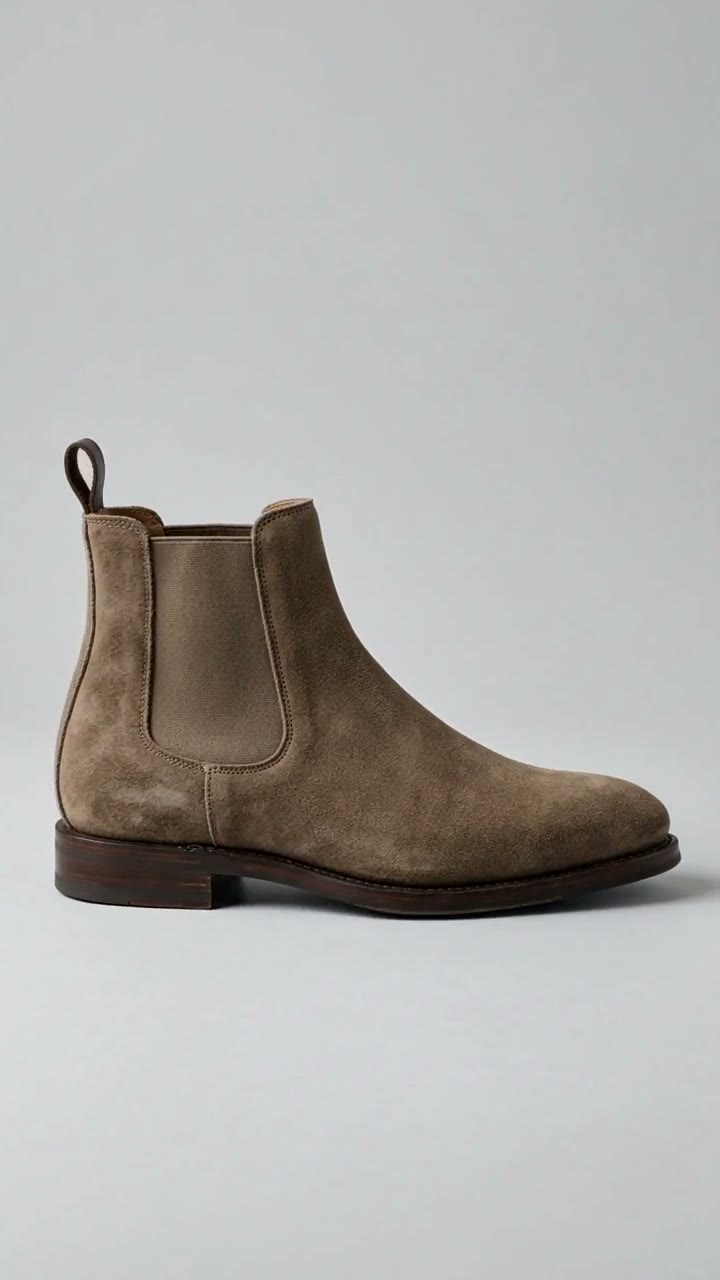


Same product. Our set.
Left is the reference the brand sent. Right is what came back, with the product identity held exactly.
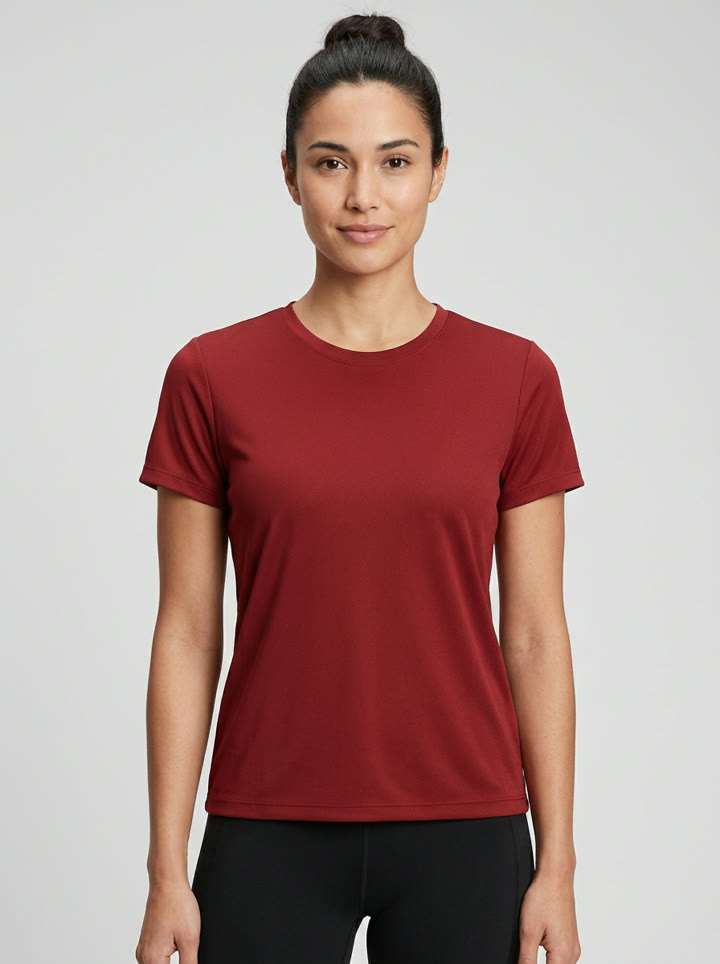
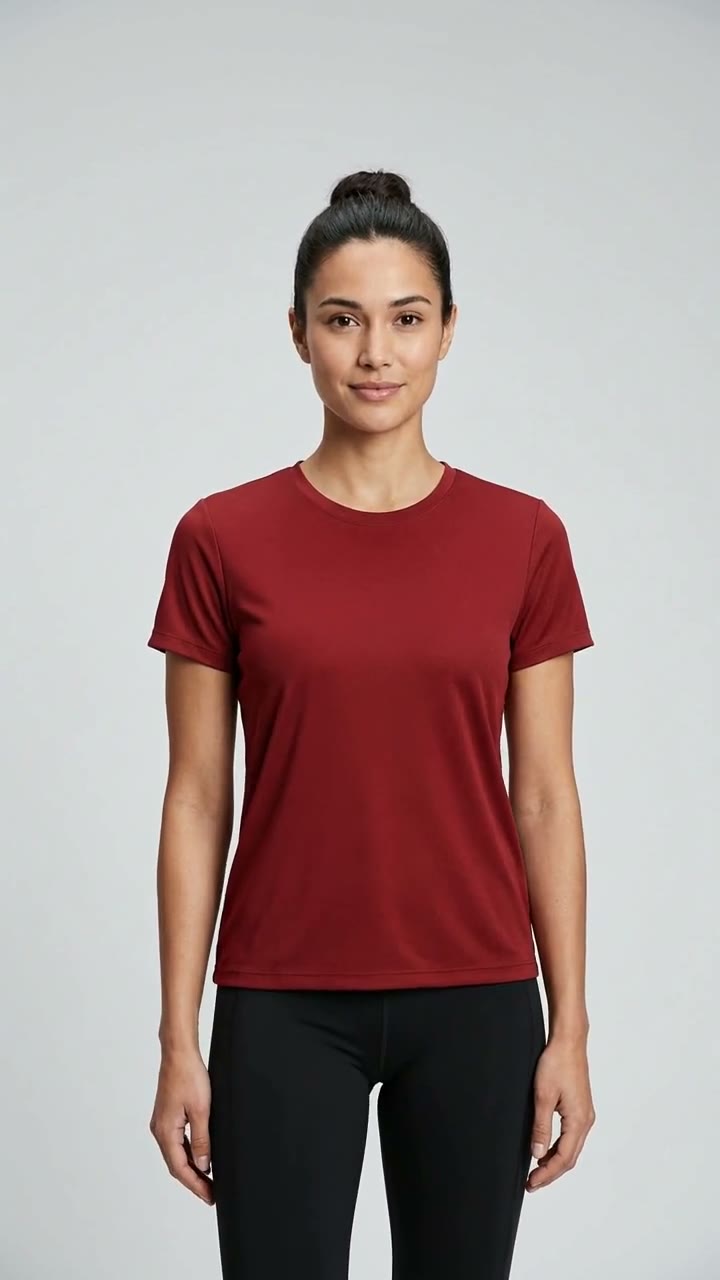 Their referenceOur output
↔
Performance tee
Drag the handle. Left is what the brand sent us. Right is what came back, shot on a consistent set so the whole range reads as one shoot.
Pick a productSame product. Every placement.
Feed, story and pre-roll need different frames. The subject stays centred and whole in all of them.
Every asset is produced to the ratio each placement actually needs, not cropped from one master and hoped for. Switch between them and watch the frame change.
Feed · 1:1One product shot. Every context you need.
Seven steps, run every cycle.
Start from the pack
A clean packshot is the only requirement. Label detail is captured once and reused.
Agree the brand kit
Surfaces, props, palette and lighting are set against the brand rather than improvised.
Build the first scene
One product, one scene, signed off before the rest of the set is produced.
Produce the set
Hero, lifestyle, detail and flat lay in the ratios each channel needs.
Check the claims
On-pack text and regulated wording checked against what the label actually says.
Cut the ratios
Every placement composed for its own frame, subject centred and whole.
Recut on the calendar
Festive and promotional variants come off the same base on a schedule you set.
Three ways product imagery quietly costs more than it should.
All of them are scheduling problems wearing a photography costume.
Rebooking a shoot because the label changed
A packaging refresh invalidates the entire library. The studio gets rebooked, samples get couriered, and you pay full freight to photograph a product you have already photographed.
The scene set survives the repack. A new label is a re-render against the look you already signed off, not a new booking.
Cropping one master into every placement
One square hero gets cropped to story, to pre-roll, to banner. Each crop loses something, and the 9:16 version usually loses the product.
Every placement is produced to its own frame with the subject composed for that shape, rather than sliced out of a master and hoped for.
Treating festive as a separate project
Diwali, Black Friday and end of season each get scoped as fresh work, when the only thing changing is surface, prop and palette against a product that has not moved.
Seasonal variants recut from the same base on a calendar you set at the start, so a promotion is a scheduled swap rather than a scramble.
What does a month look like?
Set the volume. The turnaround follows.
Size a month before you talk to anyone.
Frequently asked.
Everything brands ask before the first batch.
The scene set survives it. A repack is a re-render against the same look rather than a new booking.
Claims and on-pack text are treated as fixed content and checked against what the label actually says.
Yes. Send the frames you want matched and the set is built to sit beside them.
Whatever the channel needs, composed per placement. Nothing is cropped from one master and hoped for.
Yes. Full usage on everything produced.
One is enough to see the look. The economics shift once you are maintaining a range across seasons.
Glass, chrome and anything highly reflective get flagged early so expectations are set before production.
The other lines in the studio.
Most brands arrive for one and end up using three.
Fashion photography
On-model and mannequin sets built from the flat product photos you already have.
↗02Performance creative
Static, motion, video and creator cutdowns, briefed on what your category already rewards.
↗03Catalog creative
High-SKU creative systems for feeds, launches and paid catalog campaigns.
↗04Amazon and marketplace
PDP imagery, A+ modules, storefronts and marketplace-ready variants.
↗Send one packshot. See the range back.
Share the product and where the images need to run.